
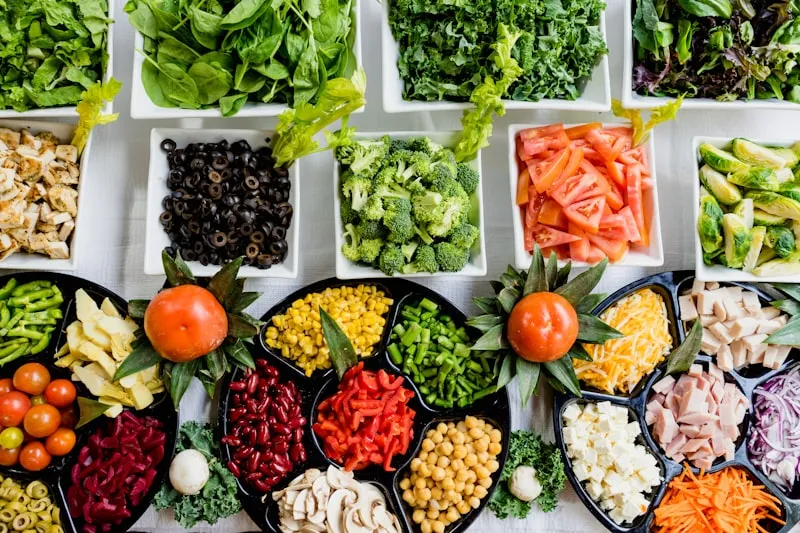
In brief
Fruits occupy an ambiguous place in uric acid management. Most are beneficial thanks to their antioxidants, potassium, and alkalizing effect. But some — especially those high in fructose (grapes, dates, figs) or industrial juices — can raise uricemia. Cherries are among the most studied fruits for their protective effect against gout. Choosing the right fruits — and eating them whole rather than as juice — makes a real difference.
Fruit is a cornerstone of healthy eating. But when you’re managing gout or high uric acid levels, you might wonder: are all fruits equally beneficial? The short answer is no. Some fruits are genuinely helpful, while others deserve a bit more caution. Here’s what health authorities recommend.
Fruits Are Naturally Low in Purines
Virtually all common fruits fall into the “low” purine category, well below the threshold considered moderate. This is consistent with NHS and Mayo Clinic dietary guidance for gout management.
This means fruits don’t directly increase uric acid through purine content. The potential issue lies elsewhere: in fructose.
The Fructose Trap: Whole Fruit vs. Fruit Juice
Fructose is the natural sugar in fruit. When consumed in excess, it stimulates uric acid production in the liver. Fructose-rich beverages are associated with an increased risk of gout.
But context matters enormously:
- Whole fruits contain fiber that slows fructose absorption. With normal consumption (2-3 servings per day), the risk is minimal.
- Fruit juice, even 100% juice, concentrates fructose without fiber. A glass of orange juice contains as much fructose as a can of soda.
- Smoothies retain fiber but in blended form, meaning faster absorption than eating whole fruit.
- Dried fruit concentrates both fructose and calories, a handful of raisins has far more fructose than a handful of grapes.
Simple rule: eat your fruit, don’t drink it.
Cherries: The Most-Studied Fruit for Gout
If one fruit deserves the spotlight, it’s cherries. Cherries are well recognised for their anti-inflammatory properties and are commonly recommended for people managing gout. The effect appears to be even more beneficial when combined with standard uric acid-lowering treatment.
Cherries contain anthocyanins, pigments with potent anti-inflammatory and antioxidant properties. Tart cherries (Montmorency variety) have been most studied, but sweet cherries also show benefits.
Practical options year-round:
- Fresh cherries (June-August)
- Frozen tart cherries (available year-round at most grocery stores)
- Tart cherry juice concentrate (no added sugar), widely available at health food stores
- Dried tart cherries (watch portion size due to concentrated fructose)
Best Fruits for People with High Uric Acid
PDF Guide
Complete fruit ranking with portion advice
The PDF guide ranks all common fruits by fructose and purine content, with specific portion guidelines so you can enjoy fruit without worsening your uric acid levels.
- Fructose + purine ranking per fruit
- Recommended portions per fruit
- Best fruits to prioritise
Vitamin C-Rich Fruits
Vitamin C promotes uric acid excretion through the kidneys. NHS and Mayo Clinic dietary guidance recognises vitamin C as a beneficial nutrient for people managing high uric acid.
- Strawberries: excellent source of vitamin C, low in fructose
- Kiwi: very high in vitamin C, more than oranges
- Oranges: good source of vitamin C, eat the fruit, skip the juice
- Grapefruit: vitamin C combined with a low glycemic index
- Pineapple: contains bromelain, which has anti-inflammatory properties
Antioxidant Powerhouses
- Cherries: anti-inflammatory anthocyanins (see above)
- Blueberries: among the highest antioxidant content of any fruit
- Blackberries: rich in fiber, low in fructose
- Raspberries: high fiber, low GI
Low Glycemic Index Fruits
- Apples: low GI, rich in pectin
- Pears: low GI, gentle on digestion
- Peaches: low GI, good potassium source
- Plums: low GI, good fiber content
Fruits to Enjoy in Moderation
Some fruits are higher in fructose or have a higher glycemic index. They’re not off-limits, but portion control matters:
- Grapes: high fructose content
- Watermelon: high GI despite being mostly water
- Ripe bananas: GI increases with ripeness
- Dates: very high sugar content, high GI
- Mango: moderate fructose but typical portions are large
How Many Servings Per Day?
NHS guidelines recommend eating at least 5 portions of fruit and vegetables per day. For people managing high uric acid, 2-3 servings of whole fruit daily is a reasonable target. One serving equals about one medium fruit or a large handful of berries.
Variety matters when choosing whole fruits over juice.
The Bottom Line
Fruits are overwhelmingly beneficial for gout sufferers. They’re naturally low in purines, rich in vitamins and antioxidants, and part of a balanced diet. Cherries deserve a starring role, vitamin C-rich fruits are powerful allies, and fruit juice should be limited.
Want to learn more? Check our food index for detailed purine and glycemic index values of individual fruits, or download our PDF guide with 7-day meal plans that include the right fruits at the right time.
Sources & References

Want to go further?
Browse our database of 2,281 foods with the 3 AUG composite indices crossing up to 22 parameters (gout, stones, weight), or download our practical guide with 7-day meal plans.