
In brief
The link between excess weight and uric acid is bidirectional: fat mass increases uric acid production and reduces its elimination, while hyperuricemia itself promotes fat storage through insulin resistance. Losing weight — even moderately — has a measurable and rapid effect on uricemia. But method matters: drastic diets worsen attacks. The key is gradual loss combined with an anti-inflammatory diet.
High uric acid and excess weight often go hand in hand, and it is no coincidence. Adipose tissue plays an active role in uric acid production, and even modest weight loss can have significant effects on your levels. But beware: certain diets can make the situation worse in the short term.
How excess weight raises uric acid
Adipose tissue produces inflammatory cytokines that reduce the excretion of uric acid by the kidneys. The more fat you store, the less efficiently the kidneys eliminate uric acid. The result is a progressive build-up in the blood.
Furthermore, insulin resistance, very common in overweight individuals, also reduces renal elimination of uric acid. This mechanism explains why people with metabolic syndrome are particularly prone to gout attacks.
The benefits of gradual weight loss
Studies show that a 5-10% reduction in body weight can significantly lower uric acid levels. Gradual weight loss improves insulin sensitivity, promotes better renal elimination, and reduces pro-inflammatory cytokine production.
The trap of overly restrictive diets
A very low-calorie diet or prolonged fasting can actually cause a temporary rise in uric acid. When the body catabolises its own cells to produce energy, it releases endogenous purines. This can trigger a gout flare in the first few weeks of an overly restrictive diet.
Slow and steady weight loss is therefore preferable, without an excessive calorie deficit. A reduction of 300 to 500 kcal per day below your usual needs is generally sufficient and safe.
Which foods to favour to lose weight without worsening gout?
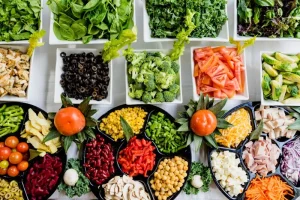
Foods that support healthy weight loss are largely compatible with an anti-gout diet: non-starchy vegetables, lean proteins (chicken breast, white fish, tofu), moderate legumes, whole grains and low-fat dairy products.
Our Weight Index in the AUG Index Database lets you quickly identify foods that support healthy weight loss while remaining favourable for your uric acid levels, without having to juggle multiple sources of information.
Sources & References

Want to go further?
Browse our database of 2,281 foods with the 3 AUG composite indices crossing up to 22 parameters (gout, stones, weight), or download our practical guide with 7-day meal plans.